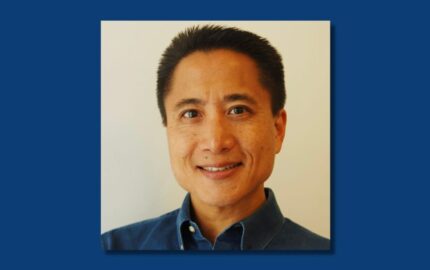
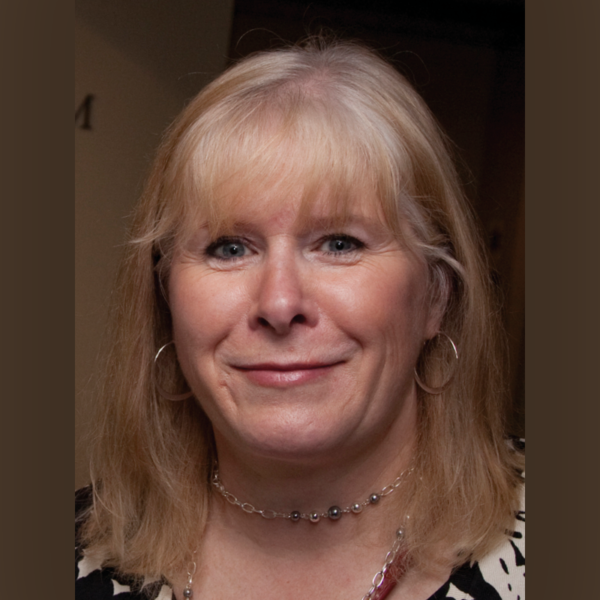
Helen Branswell, a senior writer who reported tirelessly on infectious diseases and global health issues for Stat News, died of complications from cancer in Ottawa, Canada, on October 13, 2026. She was 69 years old.
At Stat, a news site that focuses on health, medicine and life sciences, Branswell earned a reputation for fair and probing questions, prescient reporting, and meticulous writing based on scientific research. Well-known and respected internationally, she was a sought-after speaker on issues related to contagious illnesses and public health risks. She worked from Stat’s headquarters in Boston for a decade before returning home to Canada last year to be closer to family in Ottawa.
Branswell joined Stat when it was founded in 2015 after working at The Canadian Press for nearly three decades. She began as a reporter and editor in Ottawa, Calgary, and Halifax before working as a European correspondent, and then as a medical reporter from 2000-2015.
Born in Sherbrooke, Quebec, Branswell began her journalism career as a freelancer for the small Canadian newspaper The Daily Gleaner after graduating from New Brunswick’s St. Thomas University with a degree in English literature. Her interest in infectious disease reporting was sparked years later when she covered the 2003 SARS-1 outbreak in Toronto, leading her to her distinguished career in medical and science reporting.
In a testament to the impact of her work, Tedros Adhanom Ghebreyesus, the director-general of the World Health Organization, called Branswell a journalist of integrity and professionalism, writing on X: “Throughout her career, Helen demonstrated an unwavering commitment to evidence, science and truth, helping the public understand some of the most complex and consequential health challenges of our time. At a moment when misinformation competes with facts, her reporting was a trusted source of clarity, honesty and insight.”
Branswell was a 2011 Nieman Global Health Reporting Fellow at Harvard University where she studied the politics and practicalities of disease eradication in the 21st century, with a particular focus on polio eradication. She also was a CDC Knight fellow in the summer of 2004, when she embedded at the U.S. Centers for Disease Control and Prevention for three months.
Throughout her career, Branswell wrote about topics ranging from bird flu and the H1N1 flu pandemic to Ebola, Zika and the development of new vaccines.
In April 2020, shortly after the Covid-19 pandemic forced businesses and schools around the world to close, Branswell was the featured speaker in a Nieman alumni Zoom discussion about the rapidly spreading virus, which she had warned early on could be serious. She answered questions and discussed her vital reporting on Covid-19, the latest research on the virus, and news about the impact of the pandemic around the world.
Branswell’s journalism awards included a 2021 Victor Cohn Prize for Excellence in Medical Science Reporting and the 2020 George Polk Award for Public Service for her early, and comprehensive coverage of the COVID-19 pandemic. She also was a 2021 Pulitzer Prize finalist with two colleagues for their Covid-19 reporting. In 2022, she received an honorary degree from Carleton University in Ottawa.
In August 2026, Branswell was chosen as the recipient of the Kovler Prize for Trust in Life Science Journalism, awarded by the Foundation for the National Institutes of Health. Branswell told STAT executive editor Rick Berke she wanted to contribute her $25,000 honorarium to the Sharon Begley Science Reporting Fellowship, named in honor of her friend and fellow science journalist Sharon Begley, who died of cancer in 2021. The fellowship supports goal of diversifying the ranks of science and health journalists.
Branswell is survived by her five siblings and eight nieces and nephews.
Additional reading:
- Helen Branswell’s reporting for Stat News
- Helen Branswell, whose reporting on infectious diseases and public health drew acclaim, dies at 69 (Stat News)
- Canadian health reporter Helen Branswell dead at 69, remembered as ‘pretty kickass’ journalist (CBC)
- Canadian medical journalist Helen Branswell, lauded for her coverage of COVID-19, dies at 69 (The Globe and Mail)
- Tracking COVID-19 from a Journalist’s Perspective with STAT’s Helen Branswell (Open Forum Infectious Diseases)