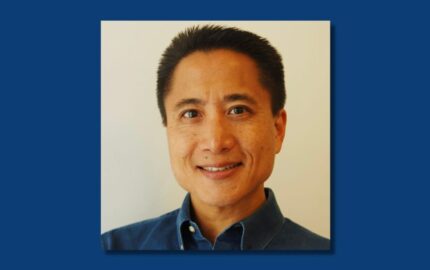
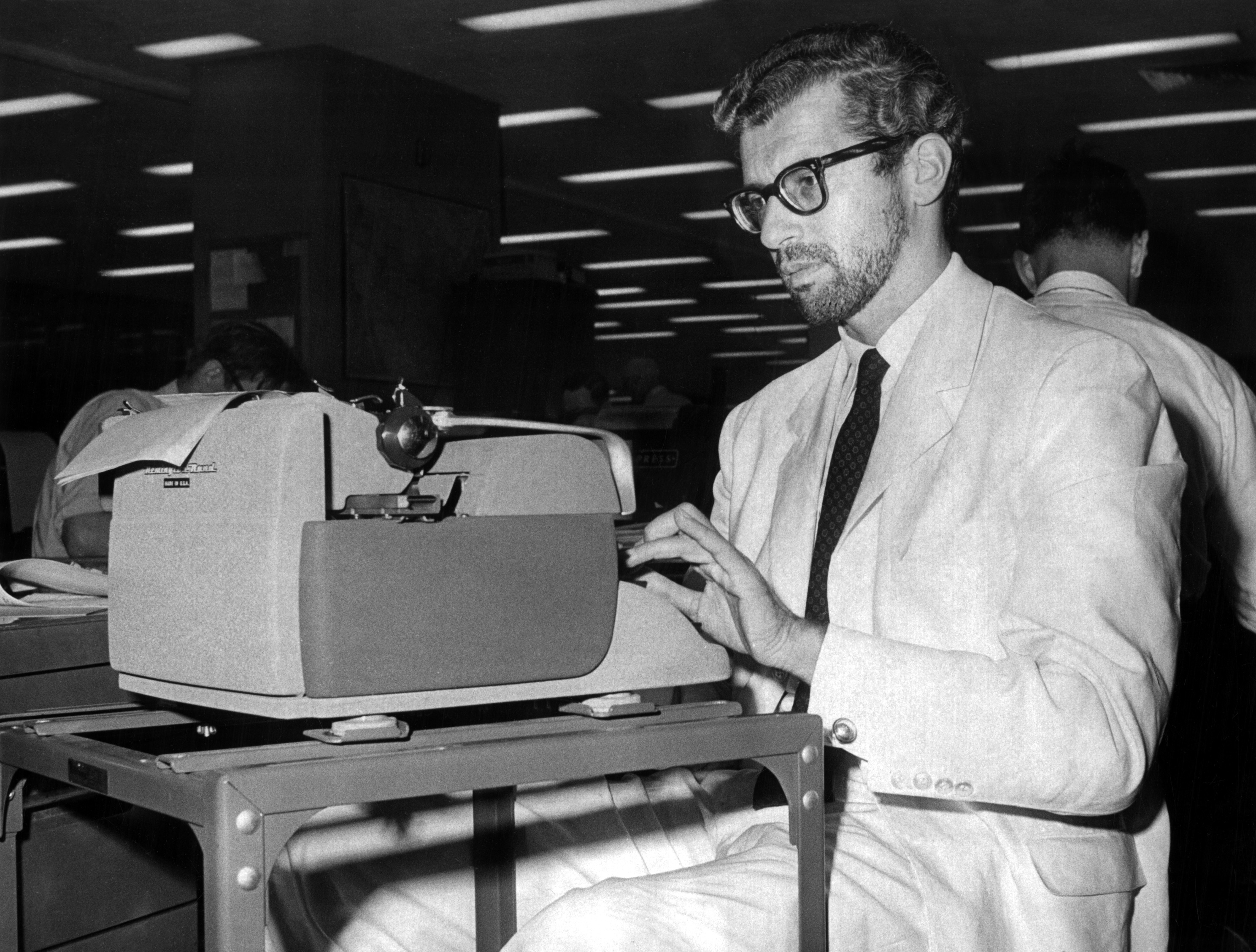
Henry Raymont, a former reporter for United Press International and The New York Times, died on July 15, 2025, in Tepoztlán, Mexico, where he lived. He was 98.
On assignment for UPI in Cuba in April 1961, Raymont was the first to report on the Bay of Pigs invasion, the U.S.-backed covert military operation by Cuban exiles that failed to overthrow the government of Fidel Castro. Immediately after he notified his editors about the breaking news, Raymont was arrested in his apartment Castro’s forces, imprisoned, and threatened with death by firing squad.
Accused of being an enemy agent, he was held with dozens of others, including some who were executed. Thanks to diplomatic negotiations, Raymont was freed after six days and went on to meet Castro and interview him eight times.
In an Instagram post, Raymont’s son, actor Daniel Raymont, said Castro called the arrest “a big mistake,” apologized, and presented his father with a signed copy of his book “La Historia Me Absolverá” (“History Will Absolve Me”) as gesture of reconciliation.
A man of the world with diverse interests
Raymont was born Heinz Rabinowitz in 1927, in Königsberg, Germany, now the Russian city of Kaliningrad. In 1936, his family fled to Argentina to escape the Nazi regime that had taken power three years earlier.
Raymont attended a British boarding school in Argentina and went to college in the United States, first attending Columbia University and then Indiana University, where he earned a bachelor’s degree in 1951. He became a United States citizen in 1953.
While working for United Press (later known as UPI) as a teenager, Heinz changed his name to Henry Raymont to avoid having the same byline as another UP reporter named Rabinowitz. Fluent in eight languages, Raymont spent a decade and a half reporting for the news agency, working in the United Press bureau in Washington and as the diplomatic correspondent for Latin America. In that role, he traveled extensively and interviewed heads of state and foreign ministers.
In 1957, Raymont created a fellowship program to bring young musicians to the Festival Casals in Puerto Rico, which was started by cellist, conductor, and composer Pablo Casals to celebrate classical music.
After finishing a Nieman Fellowship at Harvard in 1963, Raymont joined The New York Times as a correspondent based in Buenos Aires and then New York, where he covered the publishing industry.
In 1972, he began writing for the Brazilian publication Jornal do Brasil. In a second close call with the law, Raymont was detained briefly by police in Rio de Janeiro in 1974 after they confiscated the tape of an interview he had conducted with Argentinian President Juan Perón.
From 1976 to 1981, Raymont left journalism and became the cultural affairs director of the Organization of American States. He also taught on three continents: at the American University in Washington, Hebrew University in Jerusalem and the Freie Universität in Berlin.
Raymont also worked as a syndicated columnist for numerous Latin American newspapers and periodicals, including El Panama America in Panama, O Estado in Brazil, La Nacion in Argentina, and Reforma in Mexico. His book, “Troubled Neighbors: The story of US-Latin American Relations from FDR to the Present,” came out in 2005.
Known for his love of music, he began to paint later in life. When Raymont married Wendy Marcus in New York in 1966, two of their friends, violinist Isaac Stern and pianist Eugene Istomin, played a Beethoven sonata.
Raymont’s wife Wendy, a lawyer who had served as an aide to first lady Lady Bird Johnson, died in 2019. In addition to his daughter Sarah Raymont, he is survived by two sons, Daniel and Adam; three granddaughters; and a grandson.
Additional reading:
- “Henry Raymont has not told me everything, but he’s told me a lot.” (StoryCorps interview conducted by Sarah Raymont)
- Henry Raymont’s LinkedIn page
- Amazon author biography: Henry Raymont
- Henry Raymont page on Eugene Istomin’s website
- “Raymont Claims American Press Improving Hemisphere Coverage” (The Harvard Crimson, November 8, 1961)